Symptoms of diabetes type 1

The symptoms of diabetes type 1 typically manifests at an early age. It usually shows up in juveniles, but adults can develop type 1 diabetes as well.
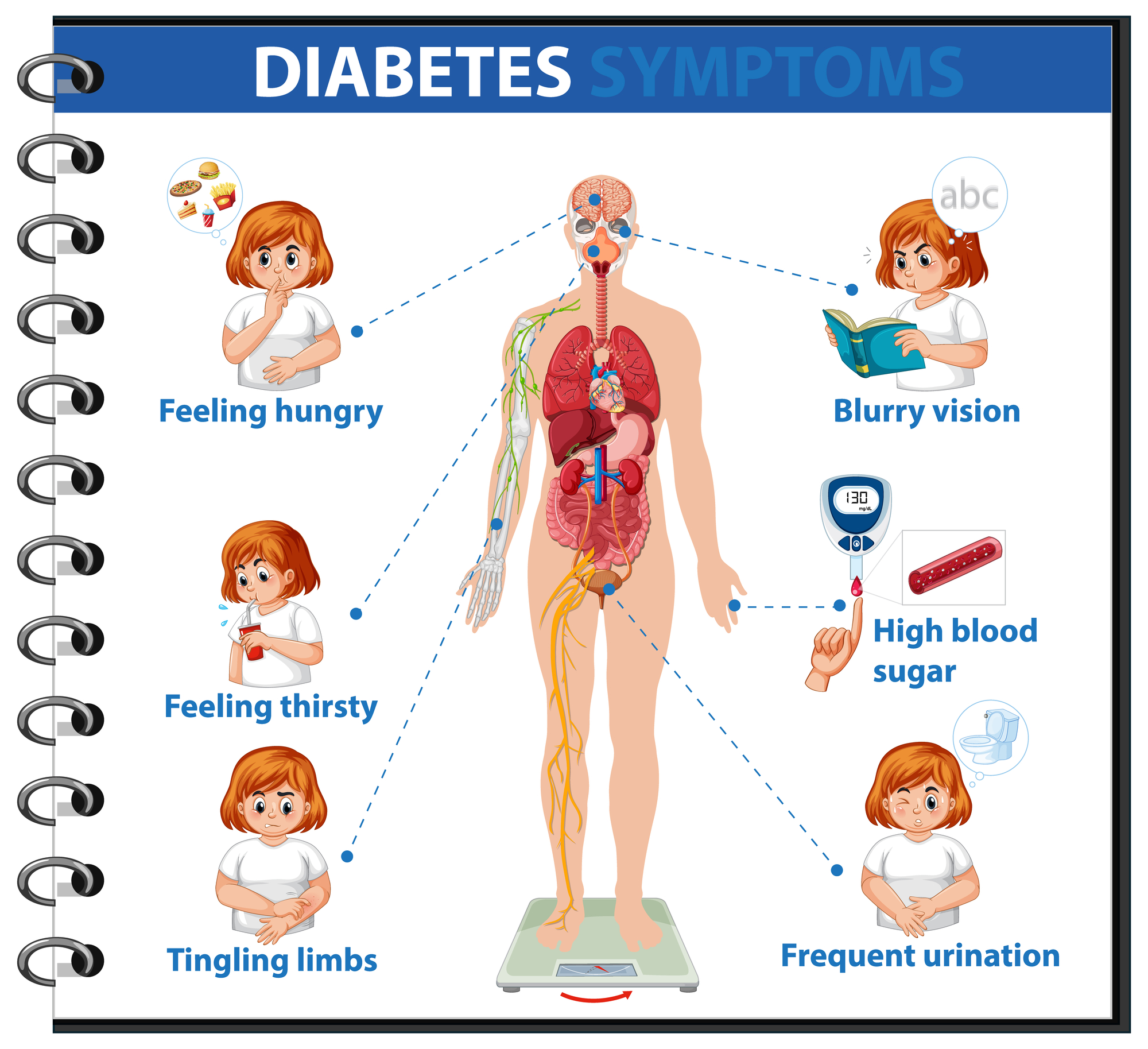
Some symptoms of diabetes are:
- Feeling more thirsty than normal
- Feeling hungry
- Frequent urination
- Tingling in the limbs
- High blood sugar
- Blurry vision
Everyone is different, so there may be other things that show up as symptoms. It's best to see your doctor and get a blood sugar test and an A1C test.
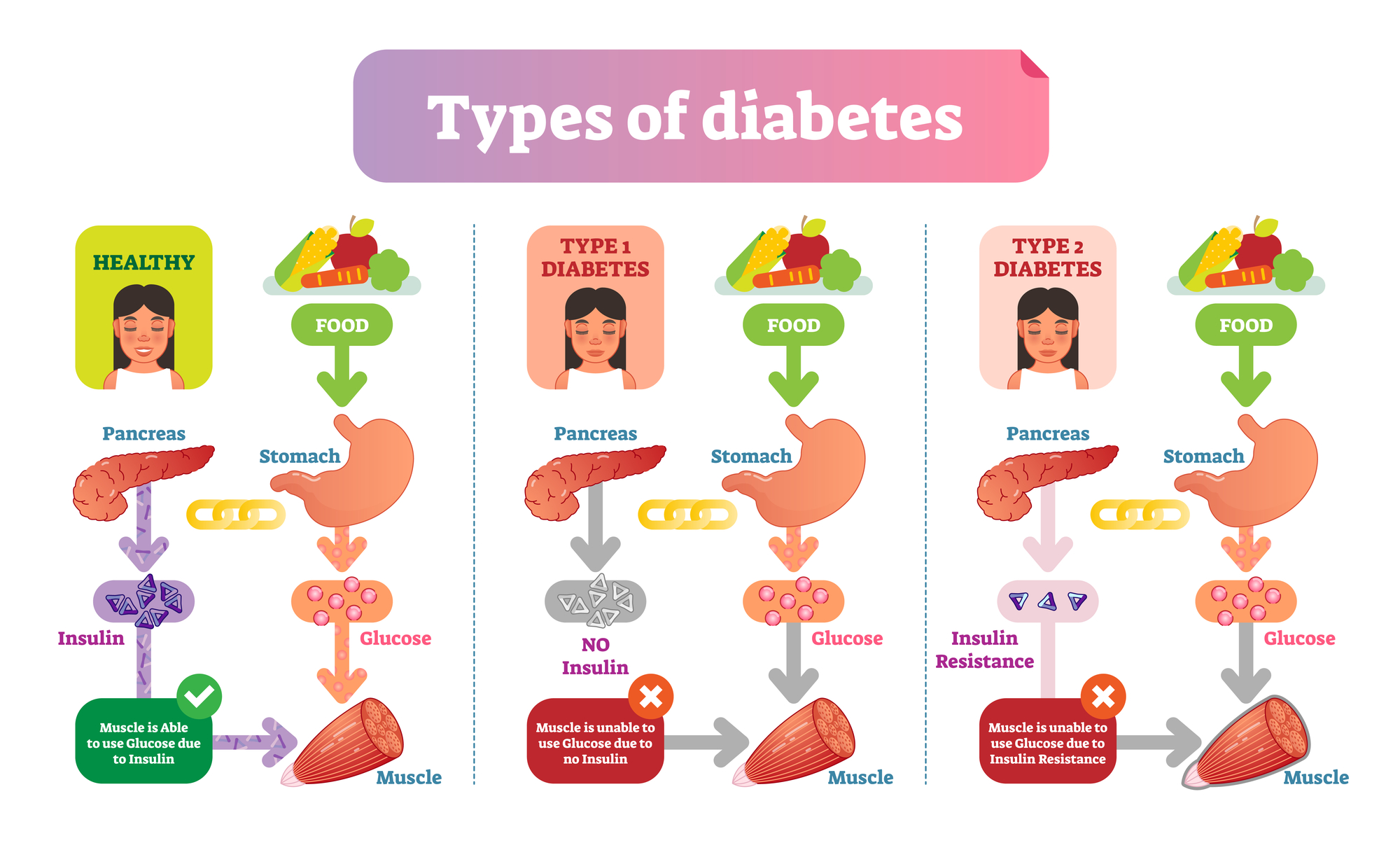
There are two types of diabetes:
Type 1 diabetes. Which is usually found early on because of a failure to produce insulin.
Type 2 diabetes. Which is caused later on in life by slowly making the body become insulin resistant over time.
Diabetes type 1 can then be identified and treated with medication. It is a lifelong treatment regimen and it has to be carefully monitored at all times. It is a permanent(chronic) disease of the autoimmune system that attacks cells in the pancreas that produce insulin. Because of this, the body doesn't produce enough insulin for energy.
The importance of insulin
Insulin is produced by a healthy pancreas. It is the hormone that makes it possible for glucose to enter the blood cell. Glucose surrounds blood cells along with oxygen molecules, but glucose cannot get inside the cell without help from insulin. Insulin acts like a key and unlocks the cells so glucose can get inside. Once glucose is inside it can be used for energy.
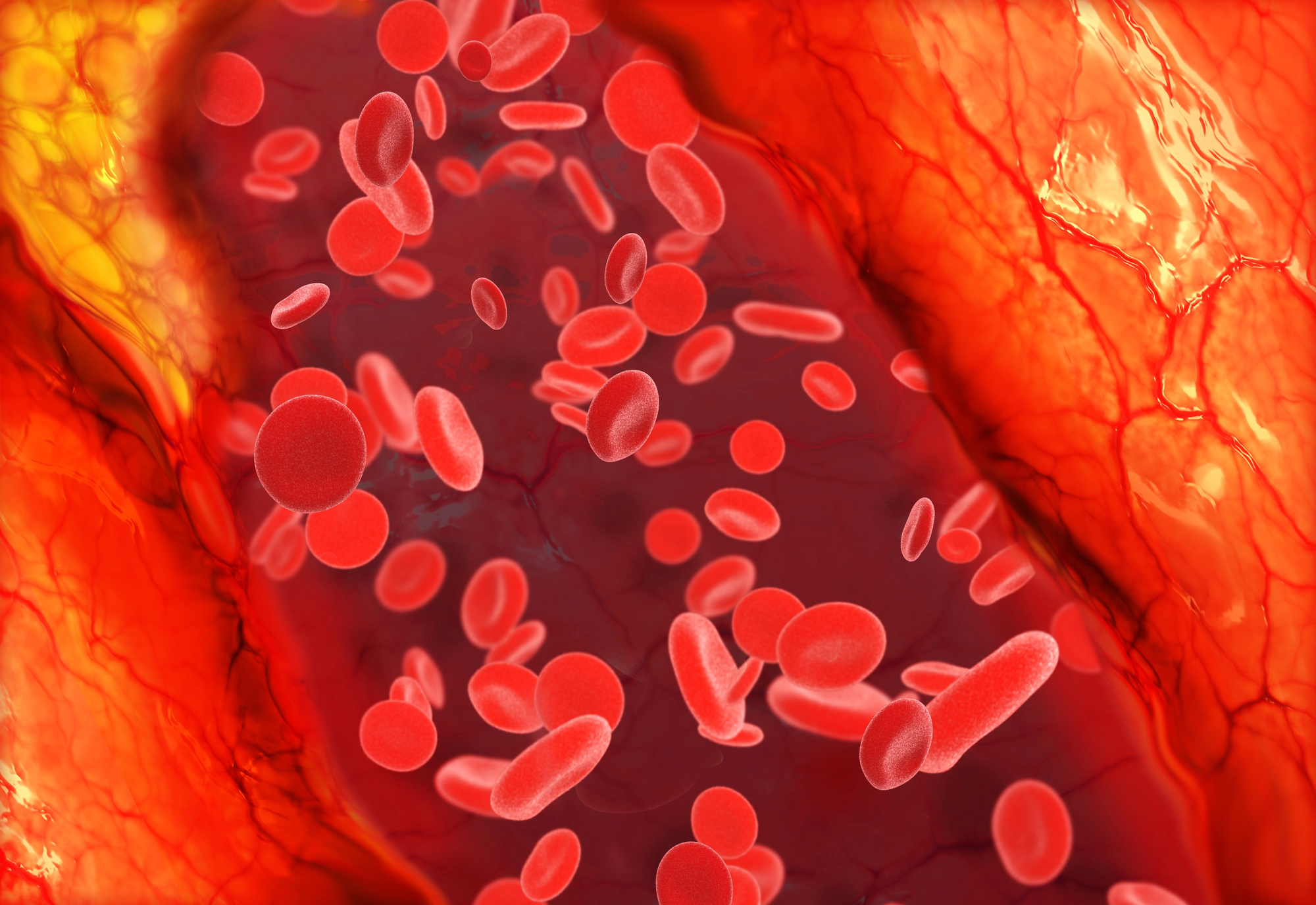
Blood cells travel throughout the body delivering food and energy. They also carry oxygen and glucose. The glucose hangs around on the outside of the cell until it can enter inside. If it can't get in, the glucose crowds out the oxygen.
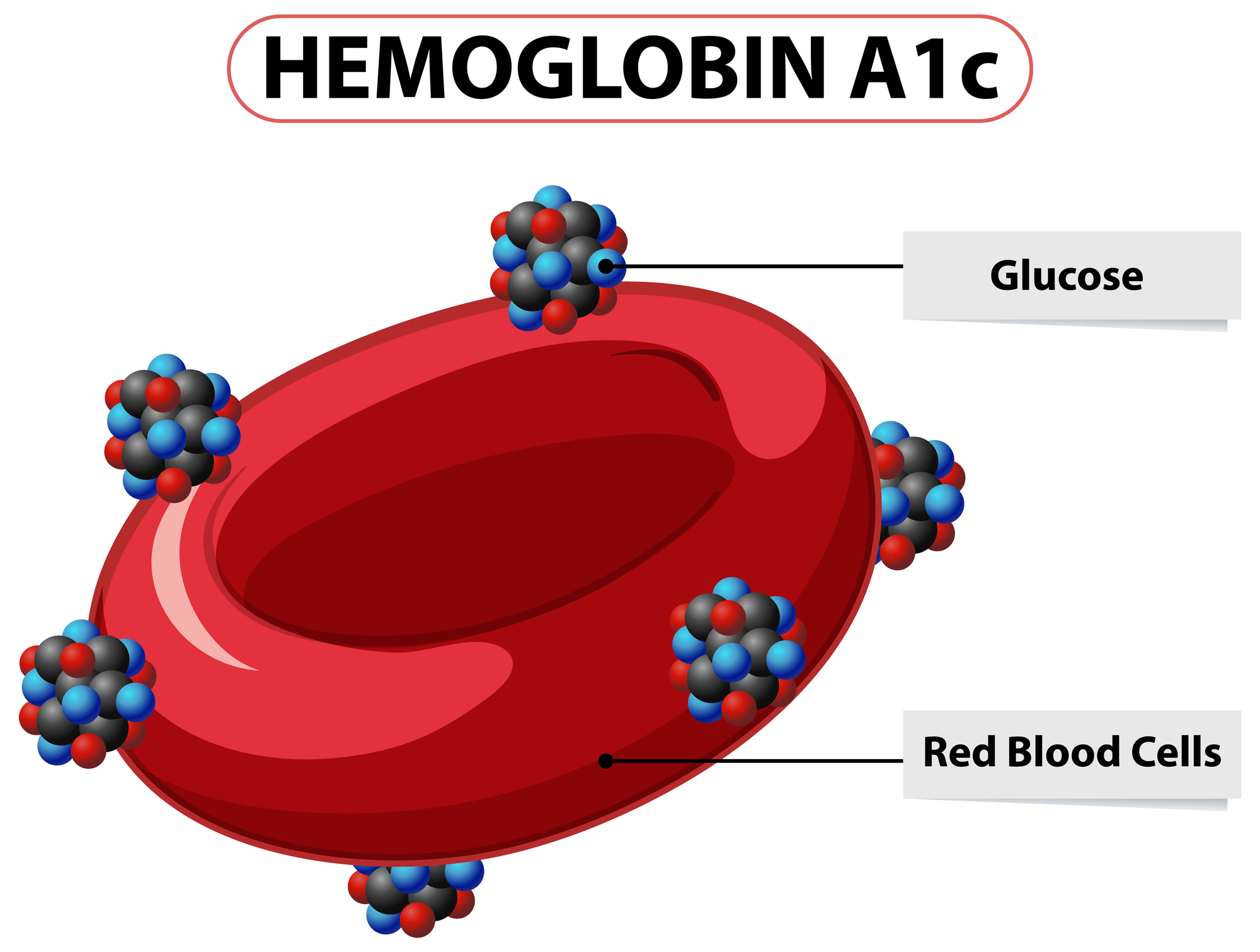
The glucose just sort of hangs around outside of the cell waiting for insulin to open the cell for glucose. Other things like oxygen molecules use blood cells. If insulin is scarce or nonexistent, then the glucose stays on the cell until the cell is dead which is about three months.
That is why diabetes causes so much damage. The cells are carrying too much glucose and not enough oxygen. That deprives the body of oxygen which tissue and bone constantly need.
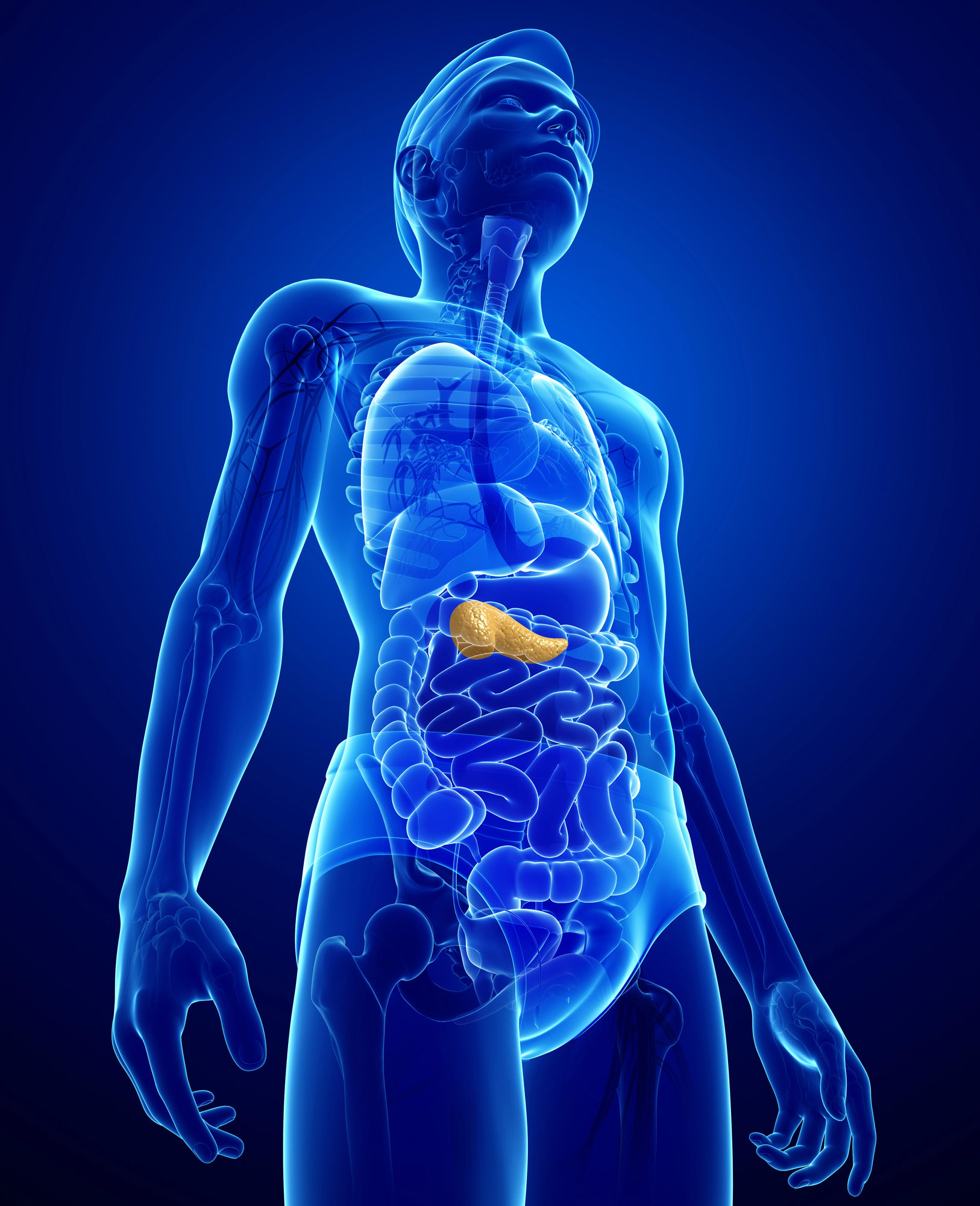
The Pancreas creates insulin that helps process the glucose on the outside of the hemoglobin cells by unlocking the cells and lettings the glucose inside where it can be assimilated and used for energy.
A normal pancreas will keep a balance of steady blood sugar levels by using insulin and glucagon. It raises or lowers blood sugar levels.
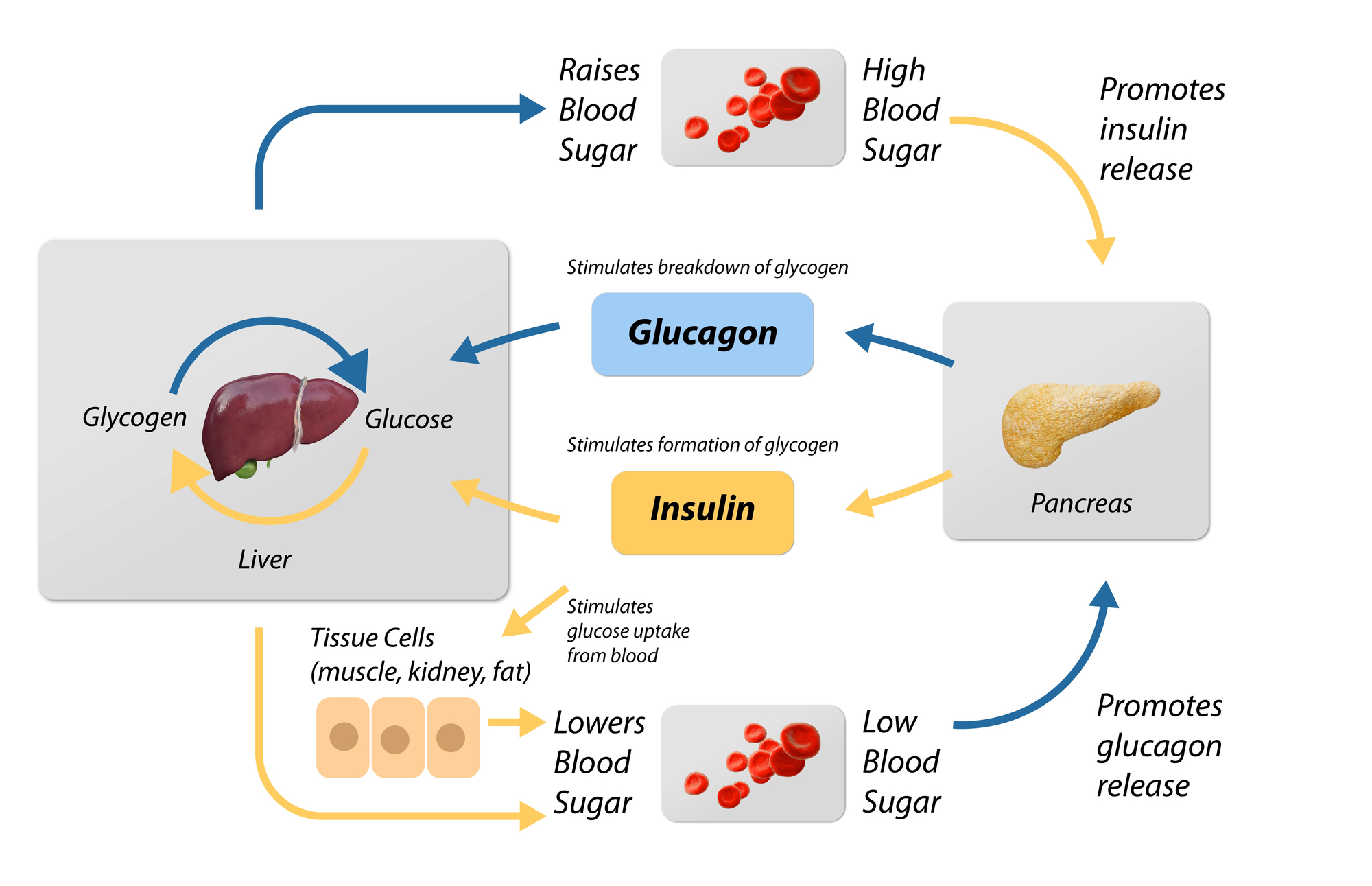
Type 1 diabetics have problems maintaining blood sugar levels because of a system between the pancreas as it interacts with the liver. It usually starts early in life. That is the difference between type 1 and type 2 diabetes. Type 2 diabetics suffer from a system that has slowly been damaged over many years.