How to check blood sugar
Learning how to check blood sugar is crucial if you or your family has a history of diabetes. The earlier in life you test for it the better.
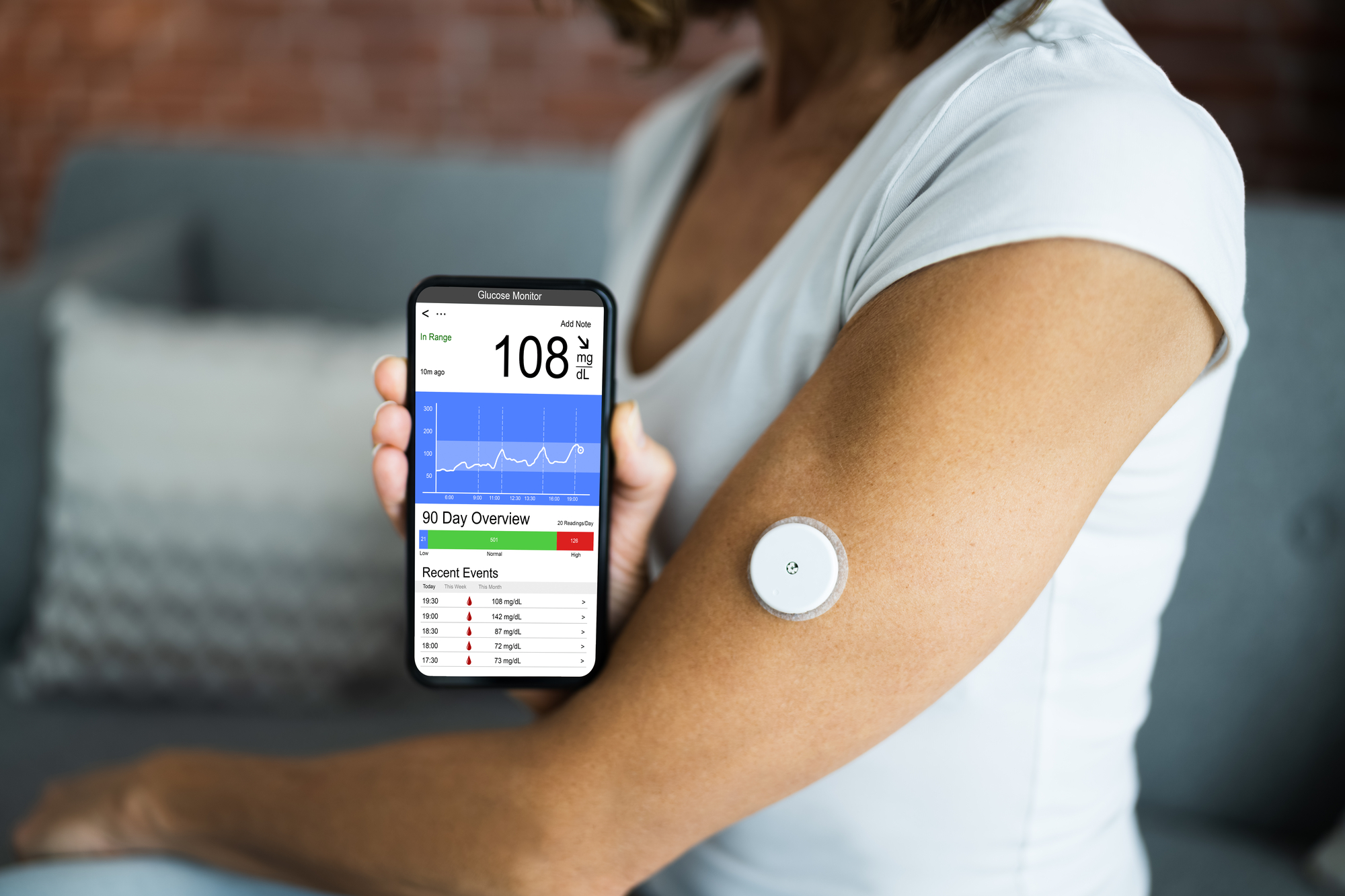
Now, I am a huge fan of the CGM(continuous glucose monitor) because I used to check my glucose levels with a finger poke device as that was the only option for patients to self test. I loved the CGM immediately because it gave me constant levels throughout the day without poking my fingers.
Now, having said that, it is always, always a good idea to have a finger poke tester (glucometer) and strips available. If you are not diabetic, nor prediabetic and you just want to use a CGM to know what your glucose levels are doing as part of your diet regimen, then a finger poke device isn't necessary.
It's always smart to have a finger test device on hand
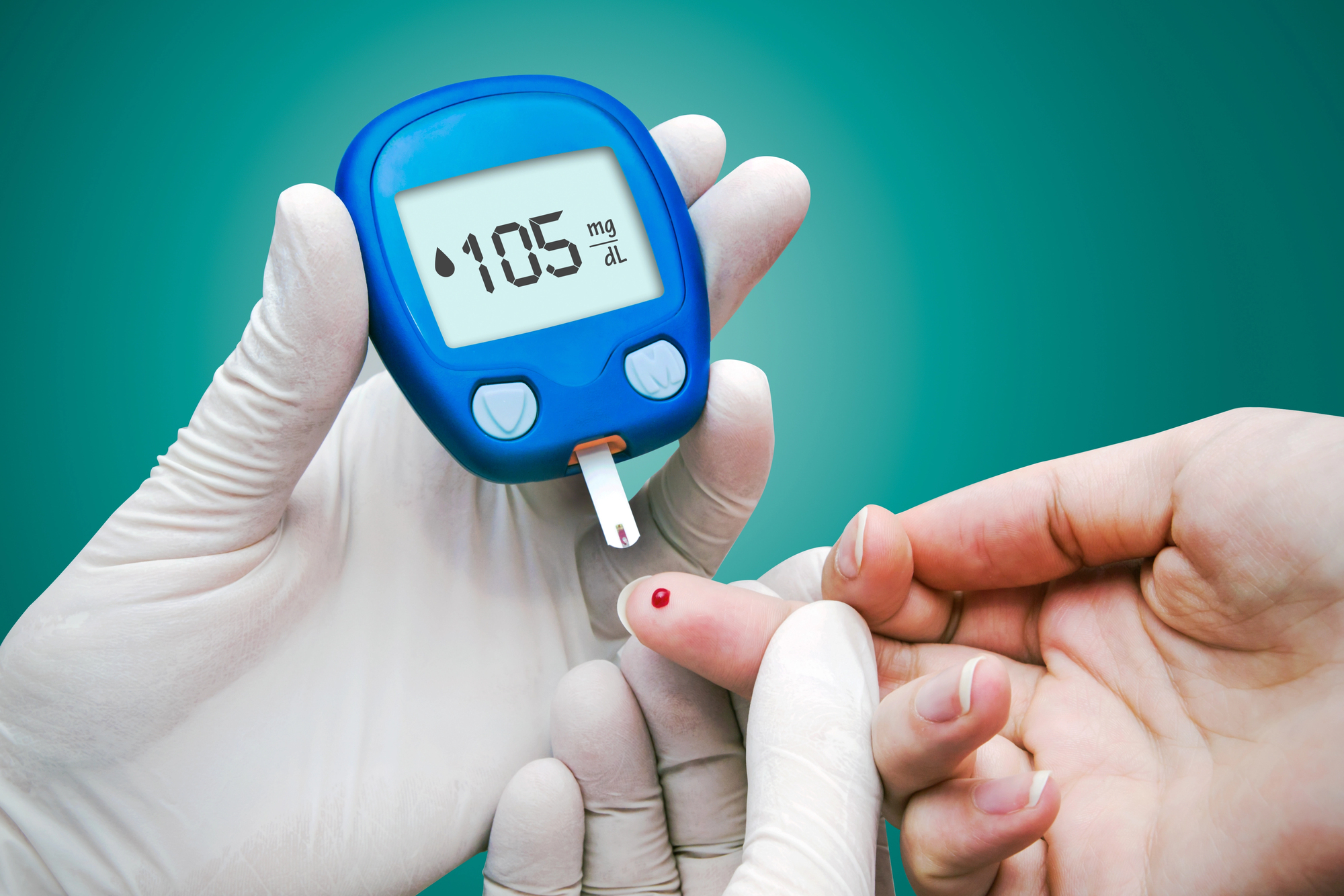
There are a few reasons why this makes sense.
- CGMs can lag behind actual blood numbers by several minutes
- Some CGMs can be faulty
- Some CGMs refresh every 5 minutes
- It's always good to have a second opinion
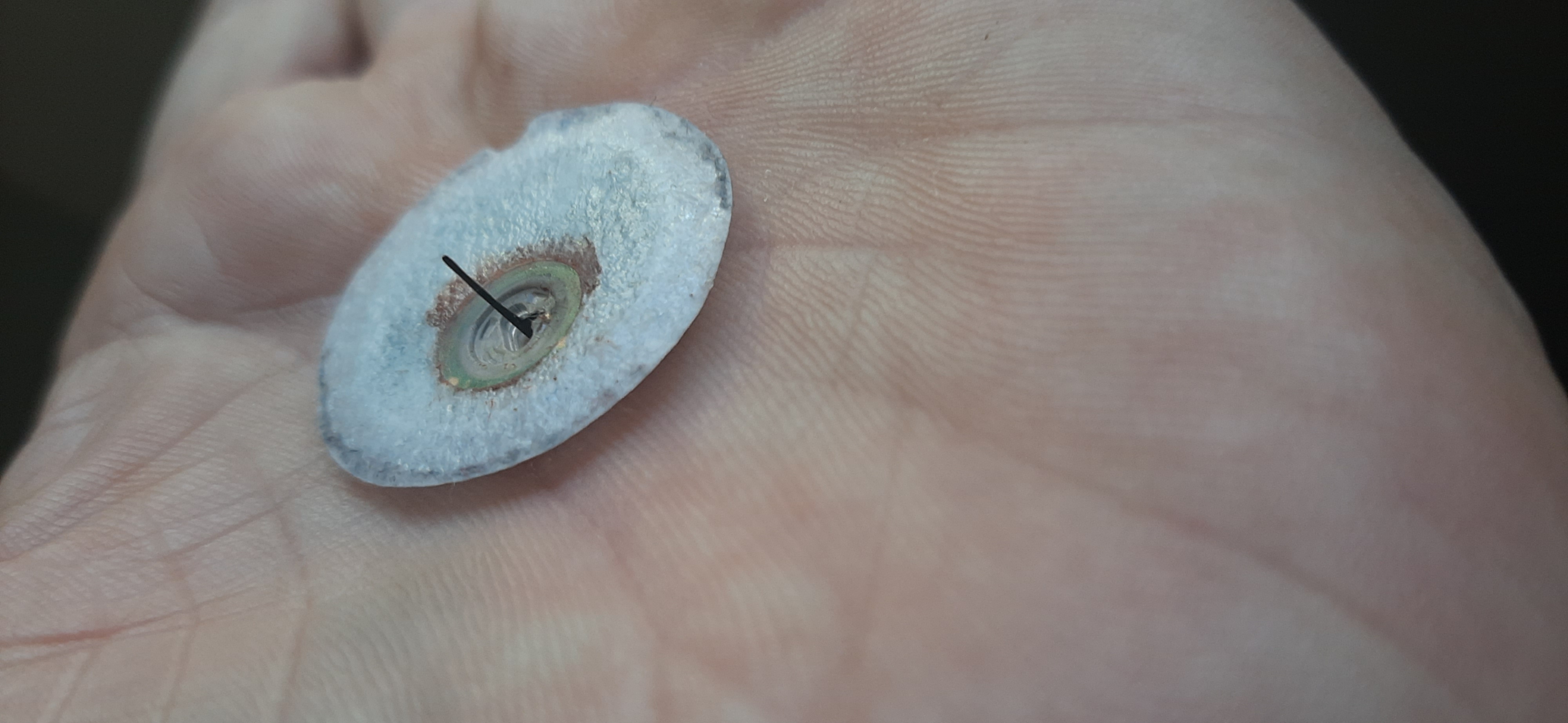
1. CGMs can lag behind actual blood numbers by several minutes.
The continuous glucose monitor relies on sensors placed into the arm fat when inserted. The fat has much smaller blood capillaries. In my experience, I have noticed that there is a space of time, usually several minutes that lags behind the actual blood numbers you will get from a finger poke device.
Our fingers don't have much fat and the blood vessels are larger in our fingertips than they are in our arm fat. Larger blood vessels carry the most recent glucose readings. This could make a big difference if you're trying to decide whether to call an ambulance or not because you or a loved one has low glucose levels and is in danger of having a hypoglycemic reaction.
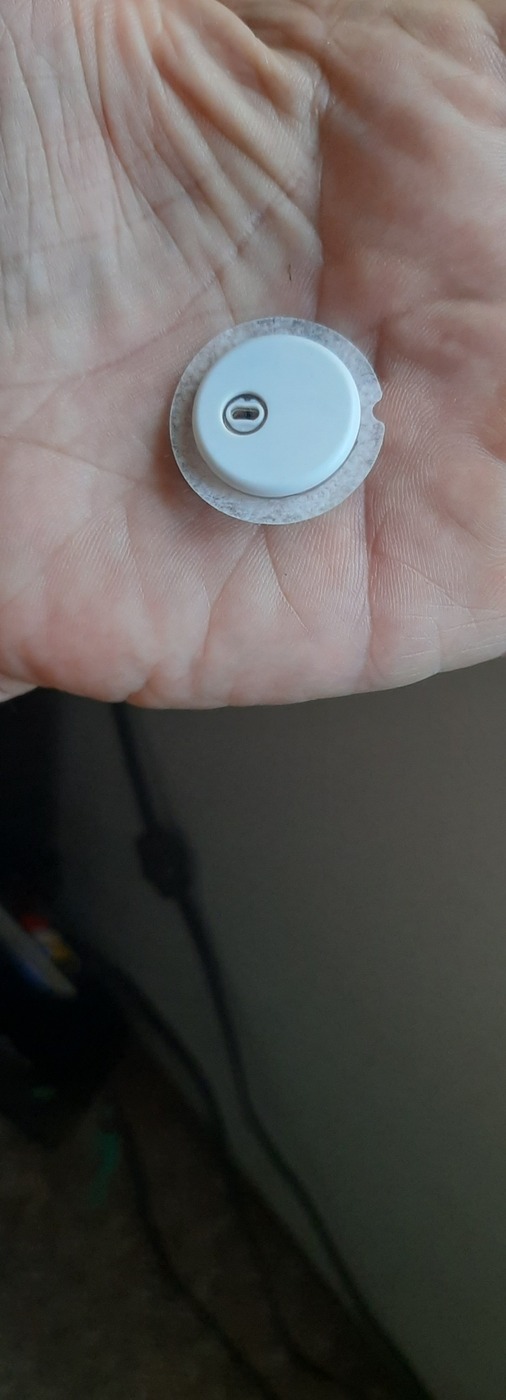
2. Some CGMs can be faulty
I have used different types of devices and I have noticed that overall, they are fairly reliable, but occasionally, I will get one that is off by about twenty or thirty points. I double check that with a finger poke and I can determine just how far off it is. Sometimes, I think the device is defective possibly by installing it improperly or something like that although the installation is straight forward and easy. Other times, I think it just was a factory mishap. I recently had a chest X-ray and my CGM was way off after that. It could be coincidence though. The worst part of a failing CGM is the low blood sugar alarm. I definitely want to know if my glucose is low so I don't have a hypoglycemic reaction, but it wakes me up with a loud alarm.
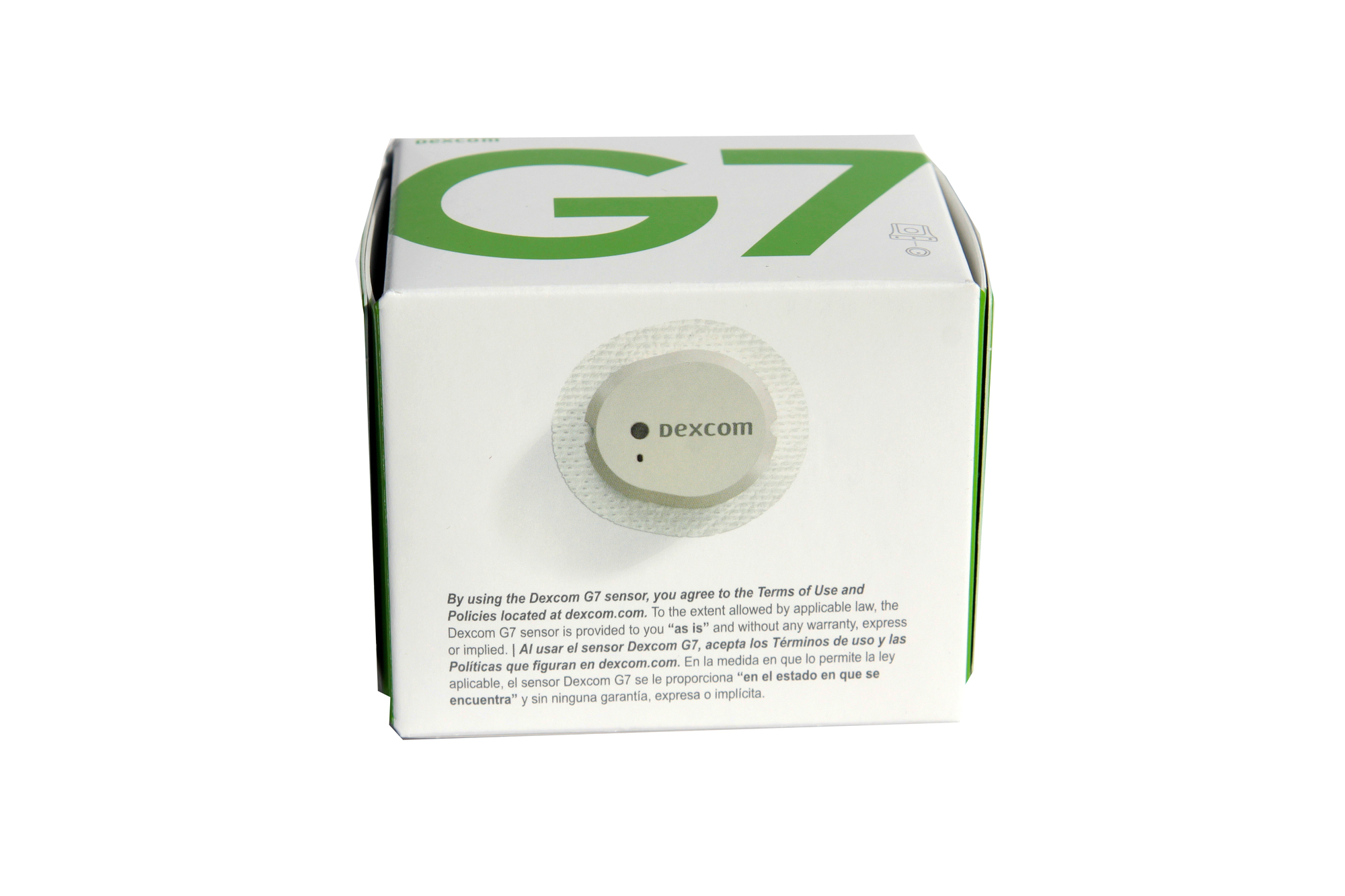
3. Some CGMs refresh every 5 minutes.
This is only a matter of preference. I know the Dexcom is the gold standard of CGMs and I have had great results. I really like the device to update every minute though. The Freestyle Libre updates every minute while the Dexcom sends data in 5 minute intervals.
How to check blood sugar
4. It's always good to have a second opinion...
Recently, I had been struggling with a nasty case of the flu. The flu can affect the blood sugar levels of diabetics and I always have to take extra caution to monitor my levels and to know what certain medications can do. Several nights, my low blood glucose alarm went off and I would get up and eat something to raise my glucose levels. On one morning, after I got up and started drinking my coffee, my CGM low glucose alarm went off and I felt tired and lethargic. The levels were extremely low according to the meter. I kind of felt like I was under water. I did a finger poke and the glucometer supported what the CGM was saying, in fact, the finger poke indicated that I was crashing even further. My husband called an ambulance and we went to the ER. I was given large amounts of glucose on the way in. It took most of the day to get my levels to a safe place. I was glad I had a second opinion that morning.
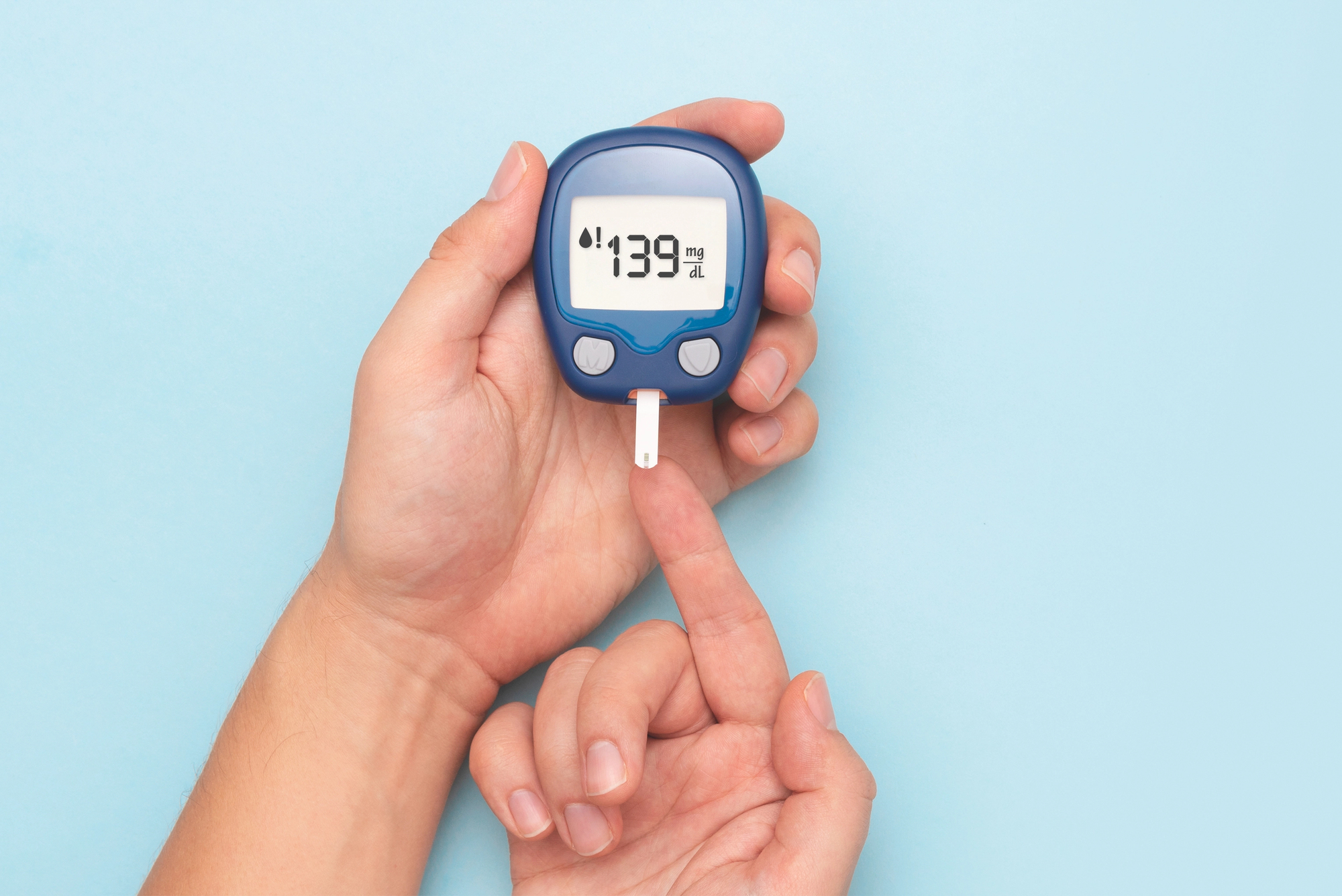
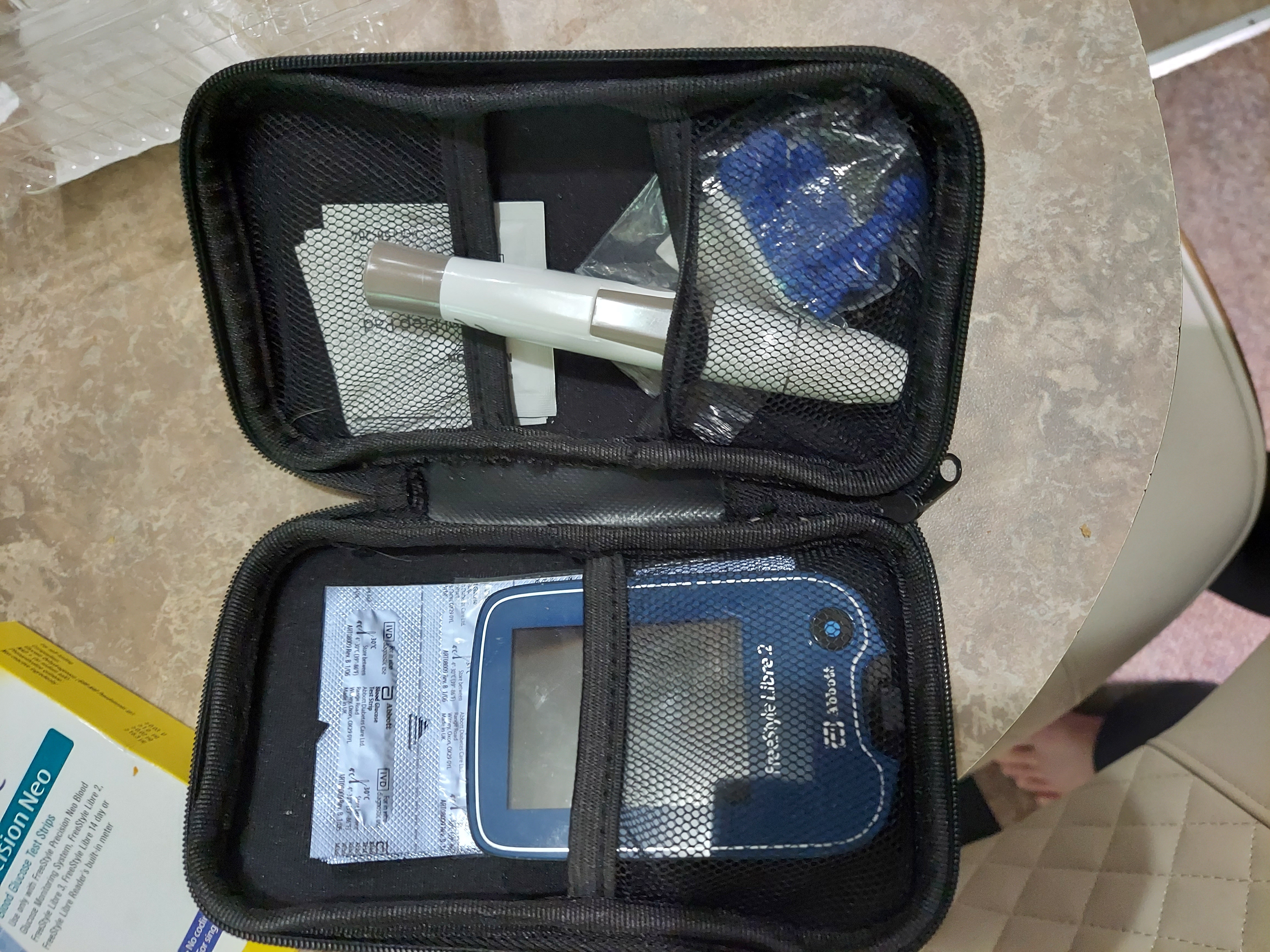
I have blood sugar kits on hand everywhere I go. I always monitor my levels with my CGM and phone. That tells me how I'm doing throughout the day. Sometimes, however, when I feel a little unusual I will take a glucometer test to see if my CGM is giving honest readings. Most of the time it does just fine, but there are those rare moments when my levels are rising or falling faster than the CGM can register because of the lag. That's when I need assurance in real time that a finger poke blood meter can offer.

The test strips are kind of expensive, but they should last a long time if you are also using a CGM. A box of fifty costs around $20.
This will help you when you need to know how to check blood sugar because your CGM is not enough for the situation and you want to be extra sure.
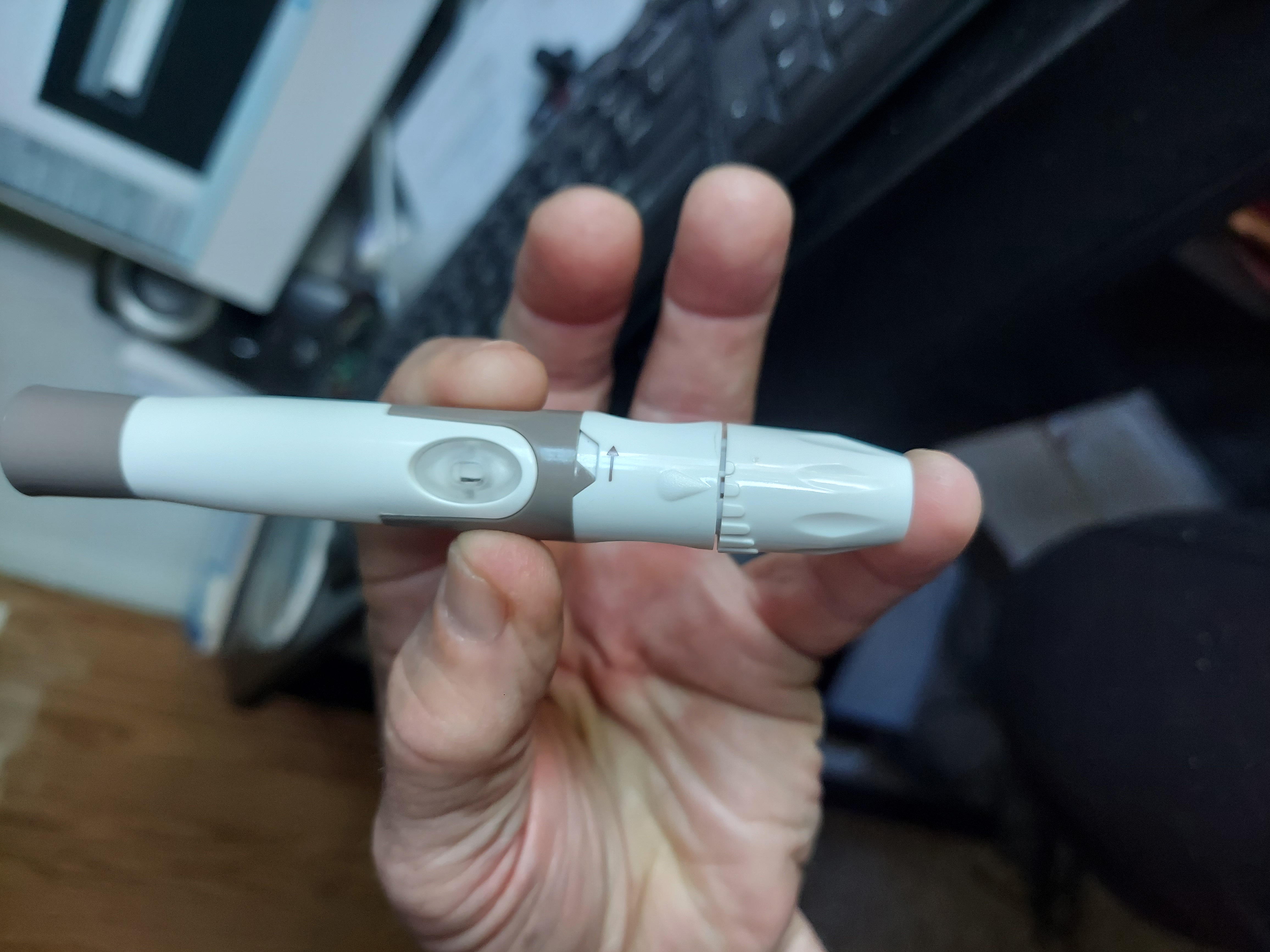
There are different gauges of finger poke pens(lancets) by the way. Hospitals use a larger needle that's suited for all kinds of skin both thick and thin. The bigger needles hurt more. I prefer the smaller needle because I have soft skin and it doesn't hurt as much. The thing to remember here is the higher the gauge, the smaller the needle. The standard kit usually comes with a 28G or 30G lancet. If you want a smaller lancet, you can order a 33G which is quite small, but remember, if the needle is too small, you may not bleed enough for the test strips to absorb.
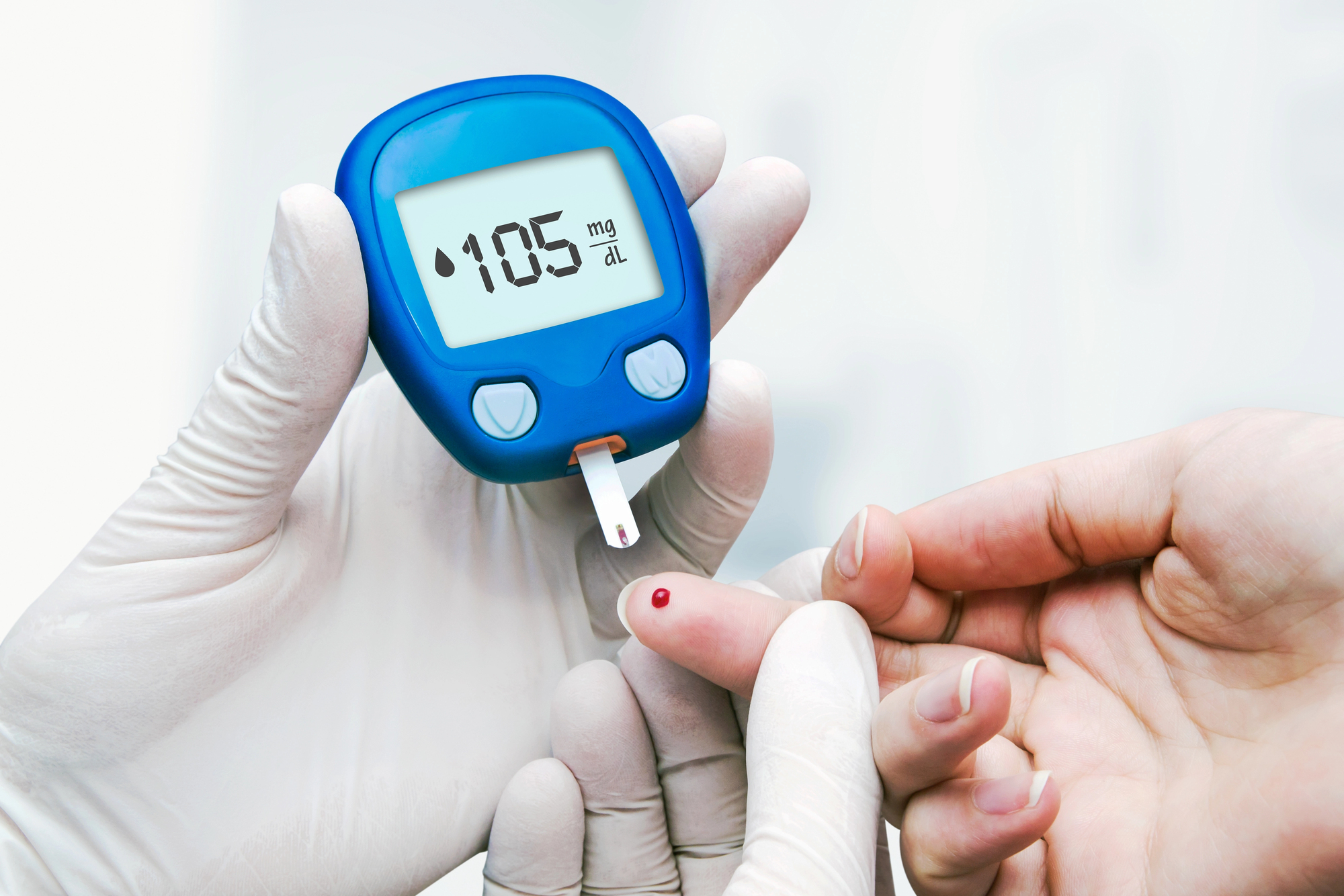
After you have poked your finger, you can get the blood to pool by squeezing the finger like a tube of tooth paste. It may help to hold the finger down low so gravity helps you with more blood pressure. Then you just put the test strip on the blood and it will absorb, then in a few seconds, you will get your blood glucose number.
It really is a good idea to have a finger poke meter on hand. In this day of modern medicine we sometimes feel the new gadgets are good enough so we move along and forget the reliable tools of the past. As a diabetic, I am thrilled to have CGMs, but I also need the reliability of a finger poke meter.
How to choose the best glucometer
Using the lance with the least amount of pain
How to use test strips and store them properly