Identifying type 2 symptoms of diabetes

Understanding the type 2 symptoms of diabetes can help identify early problems before they become really big problems that will determine your quality of life and life expectancy. Type 2 diabetes typically happens later on in life compared to type 1 diabetes. For the most part, diabetes type 2 is more self inflicted by poor diet and low exercise. While it is hereditary, it doesn't mean you will get it no matter how hard you try to prevent it. There are ways to slow it down or stop it entirely.
There are common symptoms that occur that can help you identify the disease.
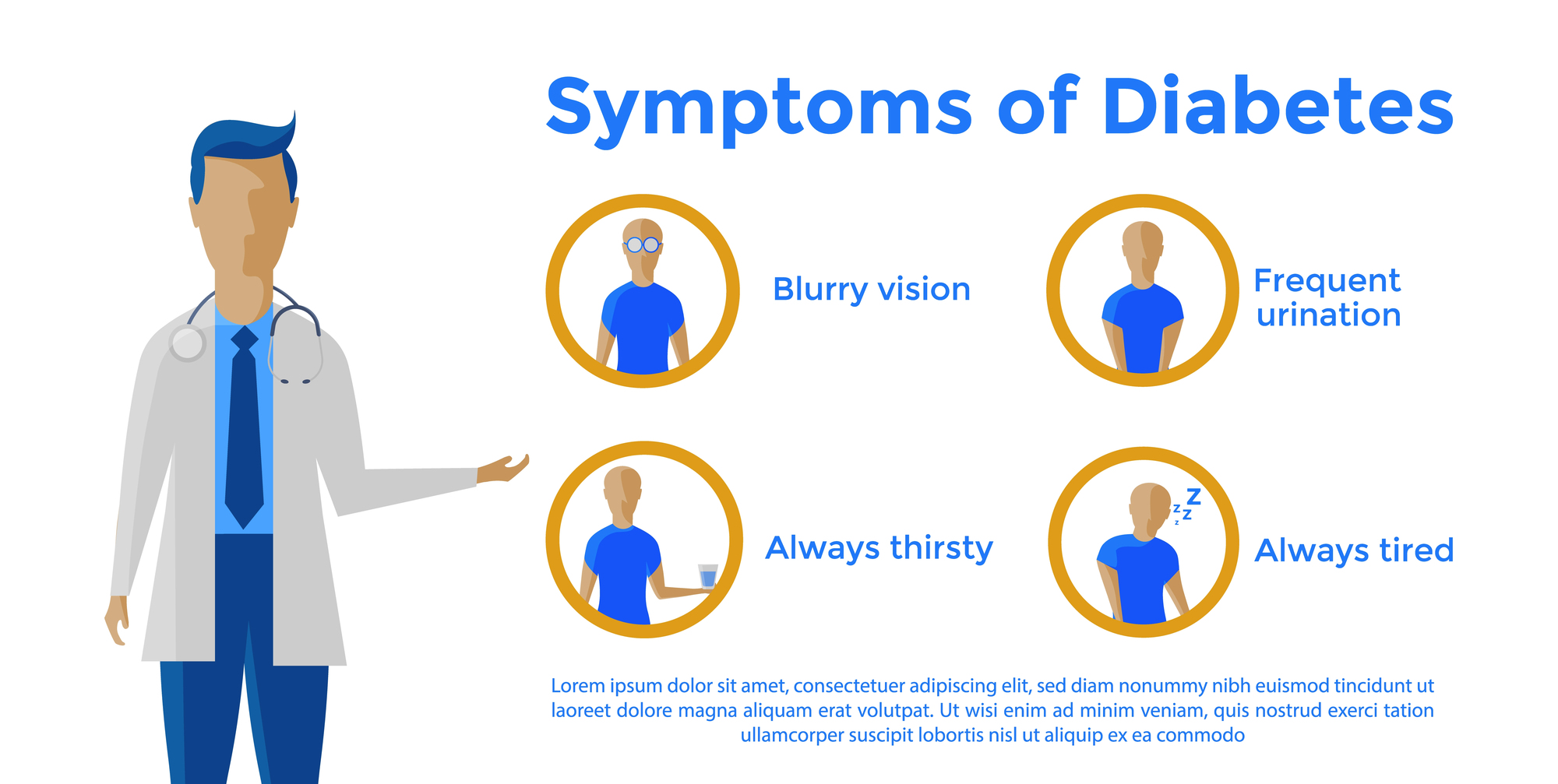
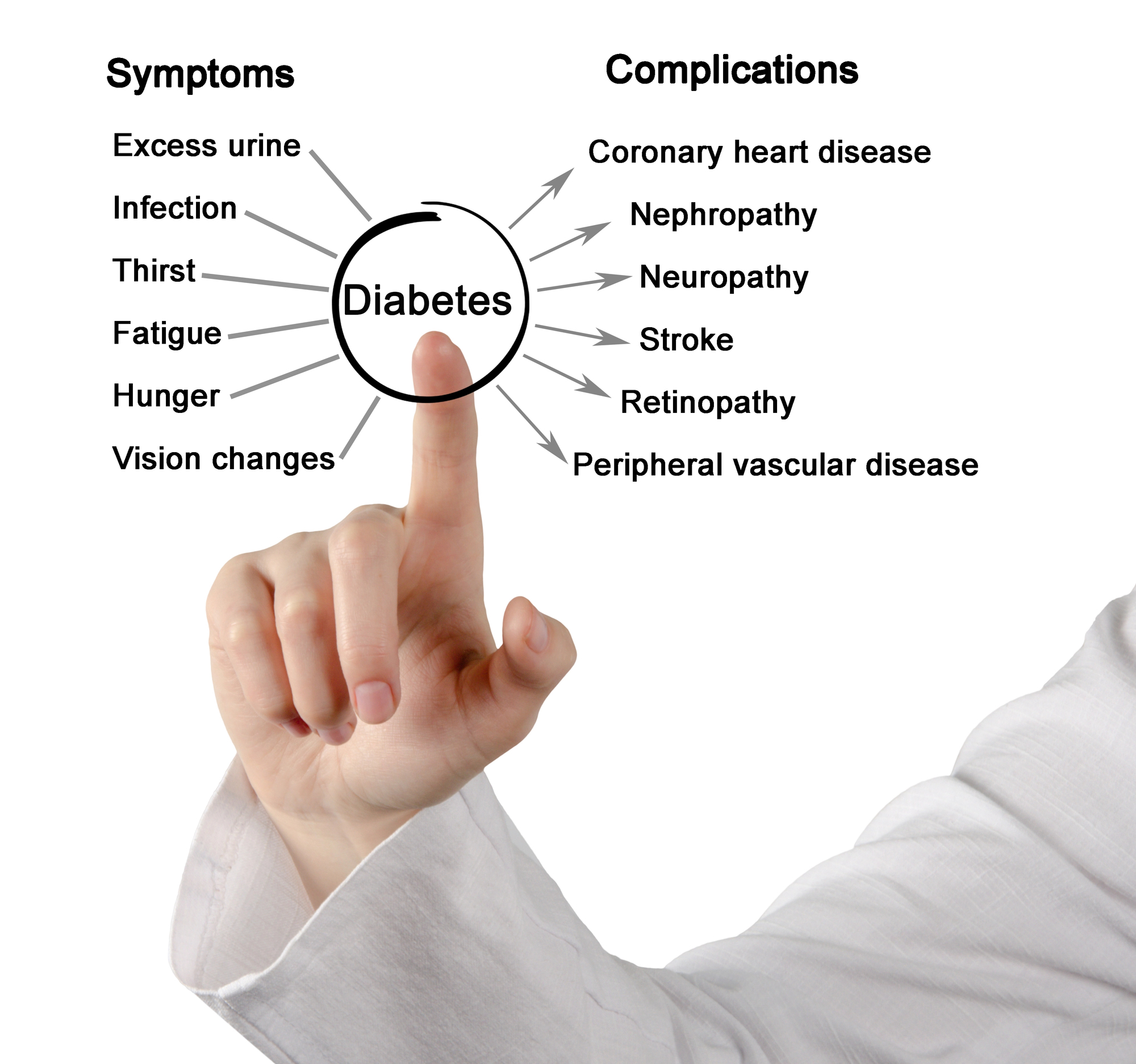
- Extreme thirst
- Frequent urination (especially through the night)
- Increased hunger
- Extreme fatigue or tiredness
- Blurry vision
- Sexual disfunction
- Constipation or nausea
- Mood changes
- Excessive facial and hair or acne in women
- Skin tags
As the disease advances without any prevention you will notice additional symptoms that will indicate a severe degradation of your health.
- Sores, cuts or bruises that heal slower than normal, sometimes weeks or even months
- Frequent, increased infections in the skin, gums or vaginal yeast infections
- Tingling or numbness that feel like needles and pins in hands or feet. Signs of damaged nerves
- Dark colors of skin around the neck and armpit area
Unfortunately, there are many individuals that ignore the primary type 2 diabetes symptoms and lose valuable time for prevention. The more serious symptoms such as the ones listed above bring with them a host of bad complications that can't be ignored very long.

One way to look at insulin and blood cells is kind of like a key and a lock. The insulin is the key that goes into the cell and opens it like a key into a lock. Now imagine after years of neglect, that lock is really rusty and doesn't work well. The key has difficulty getting into the lock. The lock won't open without the key. It used to work really well, but not anymore.
Insulin resistance means the blood cells slowly become unable to open and the insulin won't work anymore. Too rusty I guess. The oxygen molecules have to find a newer, less crowded blood cell to attach to. That means less oxygen in the blood system.
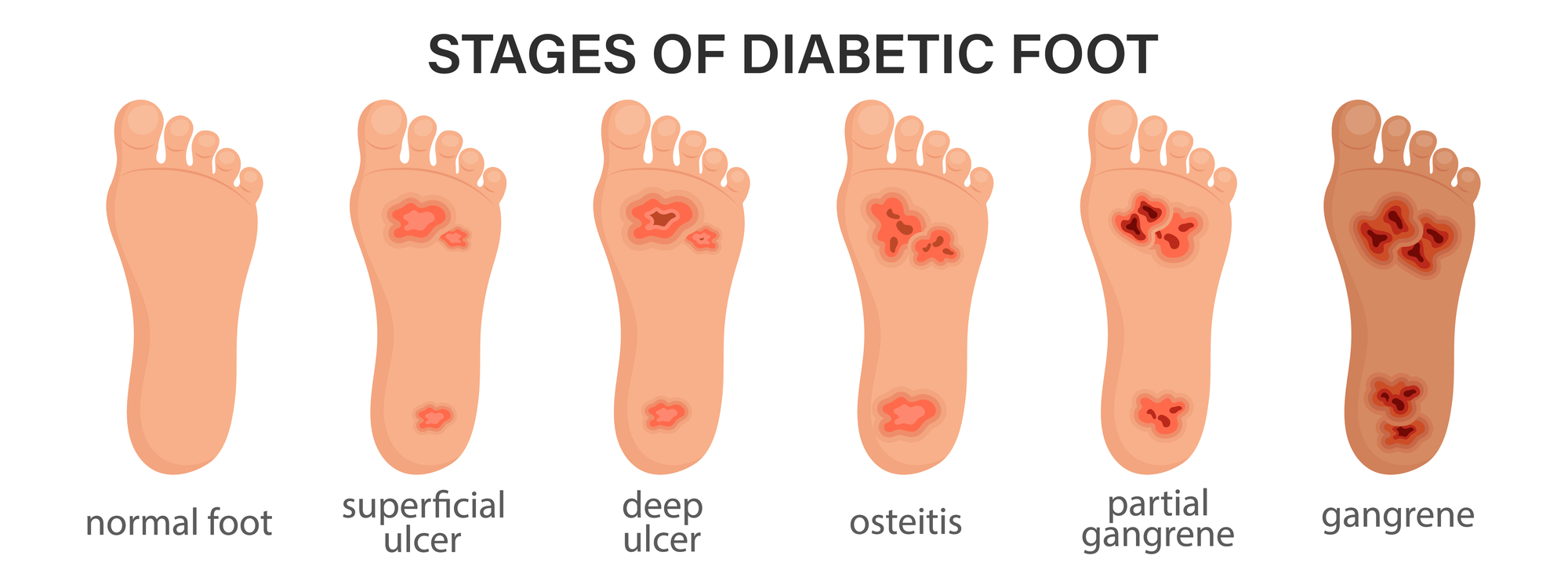
The glucose remains on the outside of the cell so there isn't room for oxygen. That means parts of the body can't get the oxygen needed to regenerate and those parts start to rot and eventually need to be amputated.
Learning from type 2 symptoms of diabetes
I think one of the biggest indications of whether you might someday be a victim of type 2 diabetes is remembering and recognizing poor diet decisions and patterns in your life. For example, if you have been an avid consumer of sugary sodas and sweets for a long time, you should first, change your diet to a more healthy plan and second, get an A1C blood test so you and your doctor can develop a treatment plan for you. Prevention is much easier than treatment.

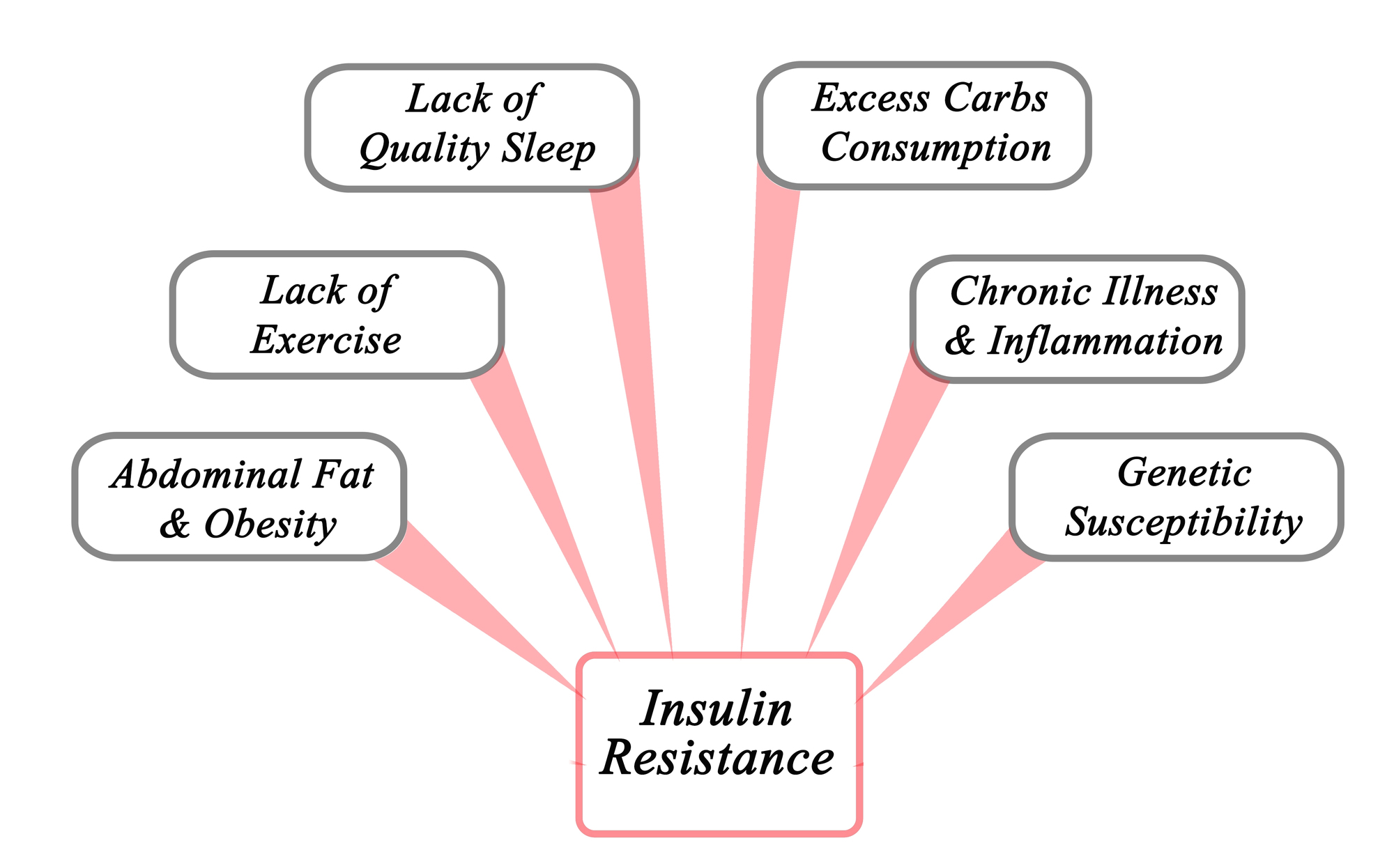
We don't usually wake up one morning and have type 2 diabetes. It is a collective act of years of bad choices because at the time our bodies feel young and strong so we often don't think about our future body. Those sodas and doughnuts taste great, but when we get too many simple carbs and unhealthy fats, we are slowly attacking our pancreas and liver making them unable to do the job they were intended to do in the future.

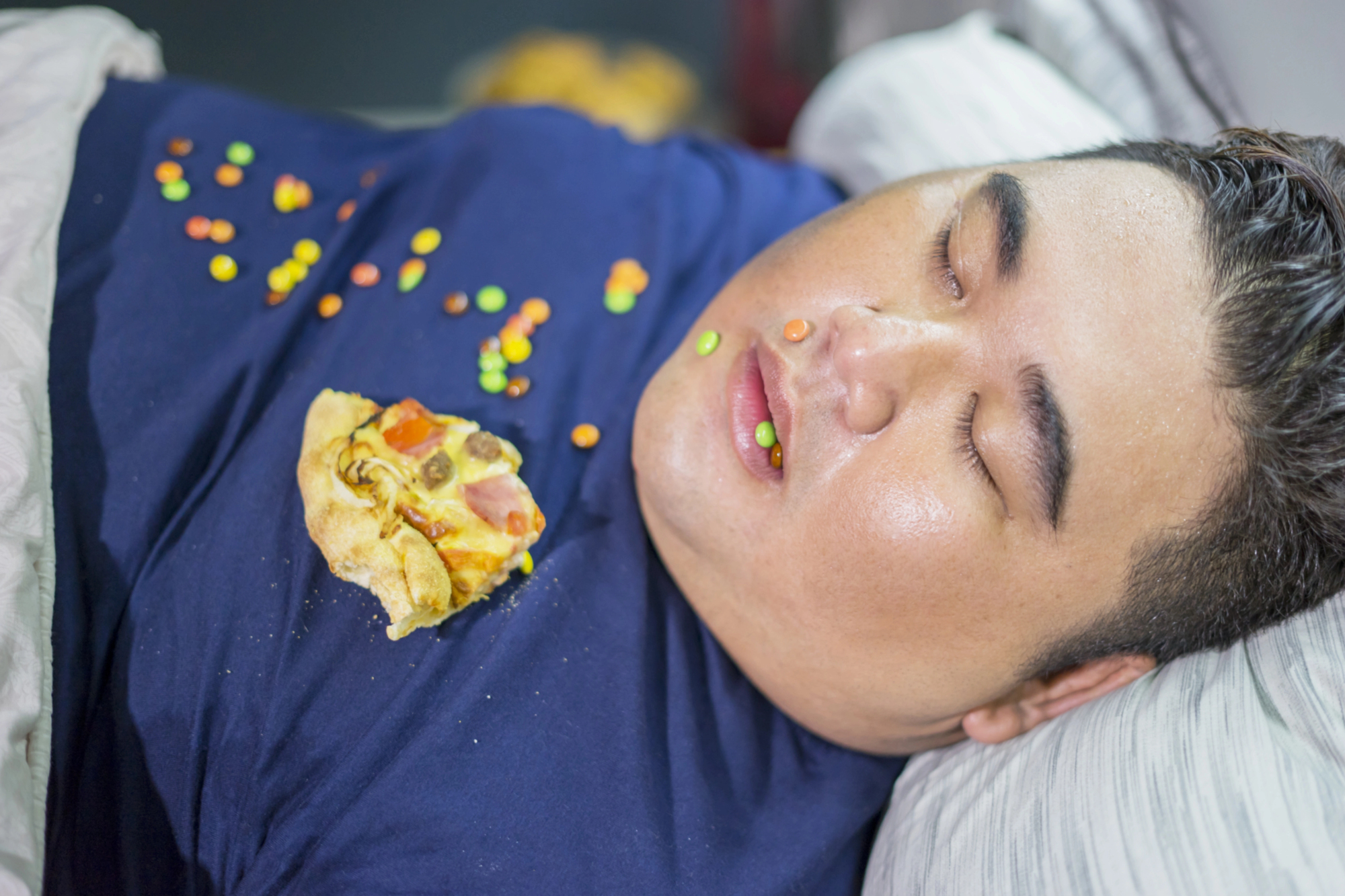
When you have an unhealthy diet, you feel groggy and lose a lot of your mental clarity. You feel exhausted most of the time. Not only that, but that type of lifestyle isn't sustainable forever. We all pay the price sooner or later.

Eating healthier most of the time is better than not eating healthy ever. The change needs to be sustainable as well. If it is a diet regimen is too rigid its likely you won't continue so make it something that you can continue even if you start slowly.